
The Complete Guide to Yoga
Introduction
Yoga is much more than a form of exercise. It is a holistic way of living that brings harmony to the body, mind, and spirit. Originating in India thousands of years ago, yoga has become a global practice embraced by millions of people seeking better health, inner peace, and a balanced lifestyle. In today’s fast-paced world, where stress, anxiety, poor posture, and lifestyle diseases are increasingly common, yoga offers a natural and effective solution.
The word “Yoga” comes from the Sanskrit word Yuj, which means “to unite” or “to join.” This union represents the connection between the body, mind, and soul. Yoga teaches us to live consciously, breathe deeply, move mindfully, and develop a stronger connection with ourselves and the world around us.
Unlike many fitness routines that focus only on physical strength, yoga promotes overall well-being. It improves flexibility, builds strength, enhances concentration, reduces stress, and supports emotional stability. People of all ages can practice yoga regardless of their fitness level. Whether you are a beginner, a working professional, a student, or a senior citizen, yoga can be adapted to meet your individual needs.
The History and Origin of Yoga
Yoga originated in ancient India over 5,000 years ago. It is one of the oldest systems of physical, mental, and spiritual development known to humanity. The earliest references to yoga are found in the sacred texts known as the Vedas. Over centuries, great sages and spiritual teachers developed and refined yogic practices to help individuals achieve inner peace and self-realization.
One of the most influential texts in yoga is the Yoga Sutras of Patanjali. Patanjali organized yoga into a systematic philosophy known as the Eight Limbs of Yoga, which serve as guidelines for living a meaningful and disciplined life.

These eight limbs are:
- Yama – Moral principles and ethical conduct.
- Niyama – Personal discipline and self-observation.
- Asana – Physical postures.
- Pranayama – Breath control techniques.
- Pratyahara – Withdrawal of the senses.
- Dharana – Concentration.
- Dhyana – Meditation.
- Samadhi – A state of deep spiritual absorption and enlightenment.
Traditionally, yoga was practiced primarily for spiritual growth. Over time, the physical aspects of yoga became more widely recognized for their health benefits. Today, yoga is practiced in homes, schools, studios, hospitals, and wellness centers across the world.
Despite its global popularity, yoga remains deeply connected to Indian culture and philosophy. International Yoga Day, celebrated every year on June 21st, has further highlighted the importance of yoga as a universal practice for health and well-being.
Physical Benefits of Yoga
One of the main reasons people begin practicing yoga is to improve their physical health. Regular yoga practice can significantly enhance strength, flexibility, balance, and overall fitness.
1. Improves Flexibility
2. Builds Strength
3. Improves Posture
4. Supports Heart Health
5. Promotes Better Breathing
6. Increases Energy Levels
Mental and Emotional Benefits of Yoga
One of the main reasons people begin practicing yoga is to improve their physical health. Regular yoga practice can significantly enhance strength, flexibility, balance, and overall fitness.
1. Improves Flexibility
Many people believe they must already be flexible to practice yoga. In reality, yoga helps develop flexibility gradually. Stretching muscles regularly improves mobility and reduces stiffness.
Improved flexibility can:
- Reduce muscle tension.
- Increase range of motion.
- Improve posture.
- Lower the risk of injuries.
2. Builds Strength
Yoga uses body weight to build strength naturally. Holding poses engages multiple muscle groups simultaneously, improving muscular endurance and stability.
Strong muscles provide support for joints and help prevent back pain and posture-related issues.
3. Enhances Balance and Coordination
Balancing poses strengthen stabilizing muscles and improve body awareness. Better balance is beneficial for people of all ages, especially older adults who want to reduce the risk of falls.
4. Improves Posture
Long hours of sitting often lead to poor posture, neck pain, and back discomfort. Yoga strengthens the core muscles and encourages proper alignment, helping improve posture naturally.
5. Supports Heart Health
Gentle and moderate yoga practices may help lower blood pressure, improve circulation, and reduce stress, all of which contribute to better cardiovascular health.
6. Promotes Better Breathing
Pranayama, or yogic breathing techniques, strengthens the respiratory system and teaches efficient breathing patterns. Proper breathing increases oxygen supply and promotes relaxation.
7. Increases Energy Levels
Yoga stimulates circulation and reduces physical tension, leading to improved energy and reduced fatigue. Many practitioners feel refreshed and energized after a yoga session.
Mental and Emotional Benefits of Yoga
Yoga is equally powerful for mental and emotional well-being.
Stress Reduction
Stress has become a common part of modern life. Yoga activates the body’s relaxation response, helping reduce the effects of chronic stress.
Breathing exercises and meditation calm the nervous system and create a sense of peace.
Reduces Anxiety
Mindful movement and controlled breathing can reduce anxious thoughts and improve emotional regulation. Regular yoga practice encourages a calmer and more balanced mindset.
Improves Concentration
Yoga teaches awareness and focus. Concentrating on breathing and body movements strengthens attention and mental clarity.
Students, professionals, and individuals with demanding schedules often find yoga helpful for improving productivity and concentration.
Enhances Sleep Quality
Stress and overthinking can interfere with sleep. Yoga relaxes both the mind and body, making it easier to fall asleep and enjoy deeper rest.
Promotes Emotional Balance
Yoga helps us become more aware of our emotions without immediately reacting to them. This awareness encourages patience, resilience, and emotional stability.
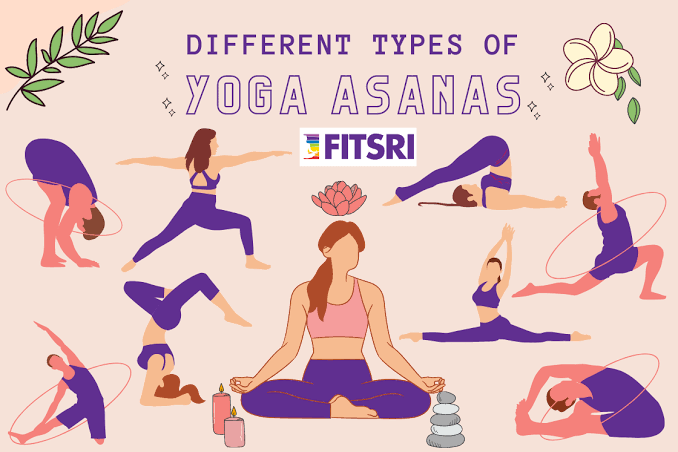
Different Types of Yoga
- Hatha Yoga
- Vinyasa Yoga
- Ashtanga Yoga
- Yin Yoga
- Restorative Yoga
- Kundalini Yoga
- Power Yoga
How to Start Your Yoga Journey
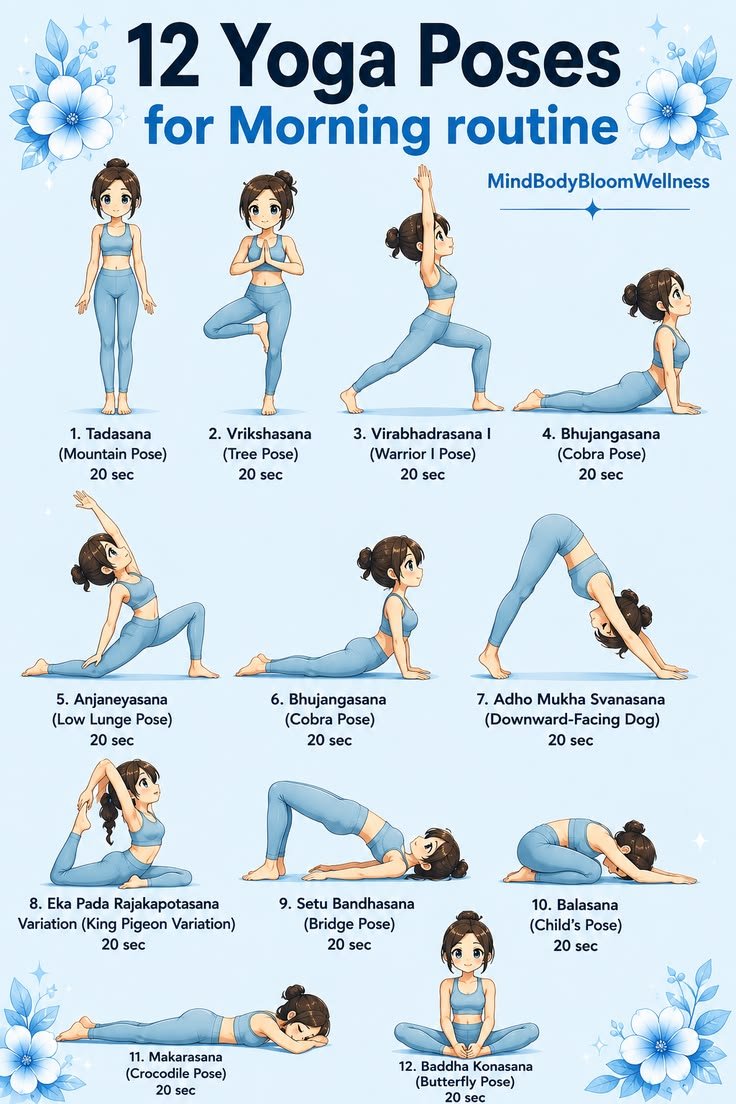
Starting yoga does not require expensive equipment or advanced skills.
Step 1: Begin with Simple Poses
Start with beginner-friendly poses and focus on proper alignment rather than perfection.
Step 2: Practice Regularly
Consistency is more important than intensity. Even 15–20 minutes daily can make a difference.
Step 3: Focus on Breathing
Breathing is a fundamental part of yoga. Slow and controlled breathing enhances relaxation and concentration.
Step 4: Listen to Your Body
Avoid comparing yourself with others. Yoga is a personal journey, and every body is different.
Step 5: Be Patient
Progress takes time. Celebrate small improvements and enjoy the process.
Common Mistakes Beginners Should Avoid
Comparing Yourself to Others
Yoga is not a competition. Progress varies from person to person.
Skipping Warm-Ups
Always prepare the body before attempting challenging poses.
Holding the Breath
Breathing continuously is essential during yoga practice.
Forcing Flexibility
Pushing too hard can lead to injuries. Respect your body’s limits.
Practicing Inconsistently
Regular practice provides better results than occasional intense sessions.
Creating a Daily Yoga Routine
A simple daily routine may look like this:
- 2 minutes of deep breathing.
- 5 minutes of gentle warm-up stretches.
- 10–15 minutes of yoga postures.
- 5 minutes of pranayama.
- 5 minutes of meditation.
- 5 minutes of relaxation in Shavasana.
This routine can easily fit into a busy schedule while delivering significant benefits over time.
The Importance of Meditation in Yoga
Meditation is a powerful tool for mental clarity and emotional balance. It trains the mind to remain present and reduces unnecessary mental chatter.
Regular meditation can:
- Reduce stress.
- Improve focus.
- Increase self-awareness.
- Enhance emotional resilience.
- Promote inner peace.
Even five minutes of meditation daily can create noticeable positive changes.
Why Yoga Is a Lifelong Journey
Yoga is not a destination but a continuous journey of growth and self-discovery. Every practice teaches something new about the body, mind, and inner self.
Some days yoga may feel physically challenging, while other days it may provide emotional healing or mental clarity. This adaptability makes yoga a lifelong companion for health and happiness.
Conclusion
Yoga is one of humanity’s greatest gifts for holistic well-being. It strengthens the body, calms the mind, nurtures emotional balance, and encourages spiritual growth. It is accessible to people of all ages and can be practiced almost anywhere.
In a world filled with stress and constant distractions, yoga offers an opportunity to pause, breathe, and reconnect with ourselves. Whether your goal is better fitness, reduced stress, improved flexibility, or inner peace, yoga can guide you toward a healthier and more fulfilling life.
The journey begins with a single breath and a willingness to step onto the mat. Start where you are, practice consistently, and allow yoga to transform your life—one breath, one movement, and one moment at a time.